
I Write Wills for a Living: Here's What Dying Without One Actually Costs the People You Leave Behind
What happens in England and Wales when someone dies without a valid will, and what that costs the people they leave behind.
By Sarah Johnston, Guest writer
I Write Wills for a Living: Here's What Dying Without One Actually Costs the People You Leave Behind
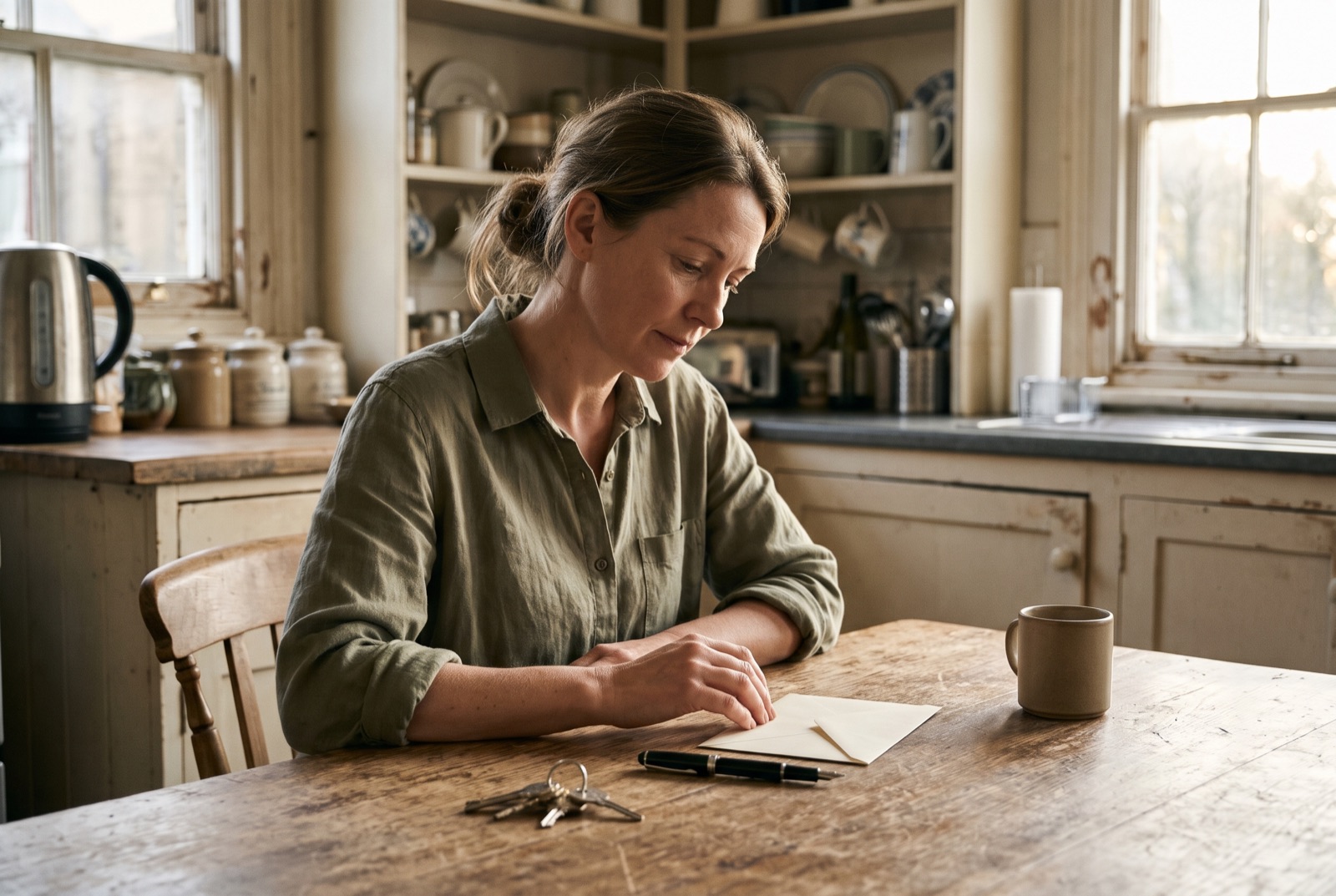
The money decision we all put off
I've spent years helping people write their wills, and I've noticed something odd about the way we think about money.
We'll spend an afternoon switching energy supplier to save £200 a year. We'll drive further for cheaper fuel. We'll keep a dozen subscriptions because each one is "only £10 a month". Yet we put off the biggest financial decision of our lives: what happens to everything we own when we die.
I understand why. Nobody wants to think about their own death. If you have children, it means picturing the worst case, both parents gone, and deciding who would raise them and who would look after the money. It's genuinely hard. But the alternative can be much harder on the people you leave behind.
Surveys consistently suggest around half of UK adults don't have a valid will. Not having one isn't free. It can be one of the most expensive mistakes you make. You just don't pay the bill. The people you love do.

What dying without a will actually means
If you die without a valid will in England and Wales, you die "intestate". Your estate is then shared out under fixed legal rules, regardless of what you would have wanted.
Most people assume everything goes to their spouse or partner. Often it doesn't.
Married with children. Your spouse doesn't automatically inherit everything. Anything in your sole name, such as savings, investments, or a home you don't own jointly, forms your estate. Your spouse receives your personal belongings, the first £322,000 and half of anything above that. Your children share the other half, held on trust until they turn 18. Depending on how your home is owned and what else is in the estate, that can leave your spouse with less than you'd want, and in some cases the family home may need to be sold.
No guardian for your children. Intestacy doesn't name anyone to look after your children if both parents die. A will is the only way to choose a guardian, and to decide the age your children inherit rather than the default of 18.
Unmarried partners. This is the one that shocks people most. Under the intestacy rules, an unmarried partner has no automatic right to inherit anything from your estate, however long you've been together. Unless you own your home jointly in a way that passes it straight to them, your partner may have to go to court to make a claim, and there are strict time limits for doing so.
No recognized relatives. If there's no one the rules recognize, your estate can pass to the Crown.
None of this reflects what the person wanted. It's a default setting they never chose.

The costs nobody warns you about
There's a financial cost too, and it lands on grieving people at the worst possible moment.
It takes longer to get started. With a will, the executor you named can start dealing with the estate straight away. Without one, someone has to establish they're entitled to act and apply to become an "administrator". That means more paperwork and more delay while bills keep arriving and accounts stay frozen.
Time costs money. Estates without a will are often slower and messier to settle. Every extra month can mean a property sitting empty, insurance and bills still being paid, and a family in limbo.
Legal fees climb. When things are unclear, professional costs rise quickly. Money that could have gone to your family goes on solving a problem a will would have prevented.
Disputes get expensive and personal. Some of the most painful cases I've seen aren't about large estates. They're about a modest house and two siblings who can't agree, because nothing was written down. Contesting an estate can cost thousands, sometimes tens of thousands, and it can end relationships for good.
Put together, skipping a will can cost a family far more than writing one ever would. The invoice just arrives after you've gone.
What a valid will needs
A basic will for someone with a home, some savings and a few people to look after doesn't have to be expensive, and there are legitimate free options. Once you've decided who gets what, it doesn't take long.
For a will to be valid in England and Wales:
- You must be 18 or over.
- You must have mental capacity, meaning you understand what you're doing and what you own.
- It must be in writing and signed by you in front of two witnesses who are both present at the same time, and who then sign it too.
- Your witnesses shouldn't be people who inherit under the will, or married to someone who does. If they are, the will stays valid but that person loses their gift.
Get the signing and witnessing wrong and the will can fail entirely, leaving you back under the intestacy rules.
It's also worth knowing that getting married usually cancels an existing will, so update it if your circumstances change.
For straightforward situations, that's largely it. If you own a business or property abroad, have a blended family, or want to set up a trust, get proper advice. Those are the cases where mistakes cost the most.
The cheapest financial decision you'll ever put off
I'll be upfront about my bias. I do this for a living, through my free will-writing service, freewillwriting.com, so of course I think people should write their wills.
But I didn't get into this to sell wills. I got into it because I kept seeing the same avoidable heartbreak: families struggling with fallout that a single document could have prevented.
If you take one thing from this, let it be that the most expensive money mistake most people make isn't a bad investment or an overpriced subscription. It's the will they kept meaning to write.
Put the kettle on, decide who you'd want to look after, and get it done. It's the rare financial decision where the responsible thing is also the cheap thing, and the people you love are the ones who'll feel the difference.
About the Author
Sarah Johnston writes wills for a living. She runs a free will-writing service at freewillwriting.com.
This article covers the law in England and Wales. The rules in Scotland and Northern Ireland are different. It is general information, not legal advice for your circumstances.
Further Reading
 BlogHow to Manage Your Money with a Cash Flow ViewUnsure how to manage your money? Start with a plan for the life you want, then use a cash flow view to keep score.Read article
 BlogHow Much Should I Have in My Rainy Day Fund?The three-to-six-months rule is a number for an average person who does not exist. How to size a rainy day fund from your own risks, and why the fund is only one of three defences.Read article
 BlogFinancial Data SecurityFinancial fraud is almost never a break-in. It is a polite request at a bad moment, and the single question that stops it.Read article
Disclaimer: We are not financial advisers. The information on this website is general in nature and does not take into account your individual circumstances. You should seek independent professional advice before making financial decisions.